Finding the Best Water Softener for Well Water in 2025: The Ultimate Guide

Unlock the Secret to Pure, Soft Well Water
- Discover the best water softener for your well, ensuring pristine water quality.
- Learn how to effectively combat hard water issues and their consequences.
- Save money and time by choosing the right softener for your needs.
- Improve the lifespan of your appliances and plumbing system.
- Enjoy the benefits of soft water for healthier skin and hair.
If you’re on a well, you know the struggle firsthand. The stubborn rust stains in your sinks, the scale clogging your showerheads, the soap that just won’t lather, and that faint metallic taste in your water. You’re not just looking for *a* water softener—you’re searching for a reliable solution specifically designed to tackle the unique challenges of well water. You want to protect your home, your appliances, and your family’s comfort.
This guide is designed to cut through the confusion. We’ll help you understand what makes well water different, what to look for in a softener, and review some of the top systems to fit any budget and need.
Why Well Water Needs Special Attention
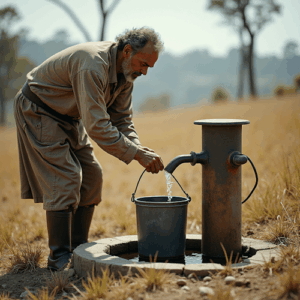
Municipal water is treated and regulated. Well water is straight from the ground, and its composition is unique to your property. This means it often contains more than just the calcium and magnesium that cause standard “hardness.”
- High Iron Content: Causes reddish-brown stains on fixtures and laundry. It can also foul the resin bed in a standard softener, ruining it.
- Manganese: Similar to iron, it causes dark brown or black staining and is often present alongside it.
- Hydrogen Sulfide: That infamous “rotten egg” smell that can make your entire home’s water unpleasant.
- Sediment & Turbidity: Fine dirt, sand, or clay particles that can cloud your water and damage appliances.
A standard water softener bought off the shelf for city water will likely fail against these contaminants. You need a system built for the job.
Key Features to Look For in a Well Water Softener
- Iron-Specific Resin: The heart of the softener. Look for a resin that is specifically designed or treated to remove iron and manganese in addition to hardness minerals. This prevents “iron fouling” and extends the system’s life.
- High-Efficiency Control Valve: A quality valve (like Fleck or Clack) is the brain of the operation. It ensures accurate regeneration cycles, minimizes salt and water waste, and offers reliability for years to come.
- Gravel & Carbon Layer (or Upflow Brining): Some premium well water softeners include a layer of gravel beneath the resin to prevent clogging from sediment. Others use an “upflow” brining process during regeneration to better clean iron from the resin.
- Twin-Tank (Alternating) Design: For larger households or very hard water, a twin-tank system ensures you never have a moment of hard water. While one tank is in service, the other is on standby or regenerating. This is the ultimate solution for uninterrupted soft water.
- Pre-Filtration is Key: Often, the best solution isn’t just a softener. A sediment filter before the softener is almost mandatory for well water to protect the softener’s valve. For high iron or sulfur, a dedicated iron filter may be necessary ahead of the softening system.
Top Water Softeners for Well Water in 2025
Here are our top picks, categorized to meet different needs and budgets.
- For the DIY Homeowner on a Budget: SpringWell WS Salt-Based Softener
- Best For: Those who need an effective, all-in-one solution without professional installation fees.
- Why It’s Great: The SpringWell WS is designed with well water in mind. It features a high-capacity resin that handles moderate levels of iron (up to 7 ppm) in addition to hardness. It uses a reliable Fleck 5600SXT digital control head, which is famous for its durability and user-friendly programming. It’s a fantastic value that doesn’t cut corners where it counts.
- Considerations: For very high iron or sulfur, you may need to pair it with a separate pre-filter.
- For Eco-Conscious Homeowners: Aquasana Whole House Well Water Filter & Softener
- Best For: Homeowners looking to reduce salt usage and environmental impact while solving multiple problems.
- Why It’s Great: Aquasana’s unique approach uses a salt-free conditioner (to prevent scale) paired with a massive activated carbon and KDF filter to remove chlorine, iron, hydrogen sulfide, pesticides, and other contaminants. It’s a brilliant alternative for those who cannot or prefer not to use a traditional salt-based system.
- Considerations: This is not a true “softener” in the traditional sense—it conditions water to prevent scale but does not remove hardness minerals. It excels at filtering a wide range of other well water contaminants.
- For Challenging Water & Luxury Performance: Tier1 Essential Series Dual-Tank Softener
- Best For: Large homes with high water usage, very hard water, or persistent iron problems.
- Why It’s Great: This is a professional-grade, twin-tank system. Its alternating design means you have zero downtime—you’ll always have soft water, even during regeneration. Built with a premium Fleck control valve and robust fiberglass tanks, it’s engineered to handle the toughest well water conditions for decades. It’s the ultimate “set it and forget it” solution for total peace of mind.
- Considerations: This is a premium investment with a higher upfront cost, but it delivers unmatched performance and reliability.
Before You Buy: Your Essential Pre-Purchase Checklist
- Test Your Water! This is non-negotiable. You must know your enemy. Use a professional lab test or a highly-rated home test kit to get accurate levels of:
- Total Hardness (in grains per gallon – GPG)
- Iron (ppm)
- Manganese (ppm)
- pH
- Total Dissolved Solids (TDS)
- Calculate Your Grain Capacity. Determine your household’s daily water usage (number of people x 75-80 gallons per day). Multiply your water hardness (GPG) by your daily usage to find the grains of hardness that need to be removed each day. This will tell you what capacity system you need.
- Plan for Installation. Consider space (where it will go, near a drain and power outlet), plumbing connections, and whether you’ll DIY or hire a professional.
- Factor in Maintenance. All softeners require maintenance: topping up with salt (for salt-based systems), occasional resin bed replacement (every 10-15 years), and potentially replacing pre-filters every few months.
Salt-Based vs. Salt-Free: A Quick Primer
- Salt-Based (Ion Exchange): The most effective method for truly removing hardness and iron minerals. Requires salt and a drain for regeneration. Provides the highest quality soft water for entire home use.
- Salt-Free (Template Assisted Crystallization – TAC): Doesn’t remove minerals but crystallizes them so they can’t stick to surfaces. Good for scale prevention but does not help with soap scum, skin irritation, or iron stains. Often paired with filtration for well water.
Final Recommendation
For most well water users, a salt-based softener with an iron-removing resin and a Fleck or Clack control valve is the most effective and reliable solution. It directly addresses the core problems of hardness, staining, and scaling.
For the best overall value and performance, we recommend the SpringWell WS Softener. It’s purpose-built for well water, boasts a top-tier control valve, and offers exceptional performance for its price point.
Investing in the right water softener will end the frustration of stains, scale, and bad water. You’ll protect your plumbing and appliances, save money on soaps and energy bills, and finally enjoy the clean, soft, refreshing water your home deserves.
Disclaimer: Always get a professional water test to confirm your specific well water conditions before purchasing any treatment system. This article is for informational purposes and reflects a general consensus based on typical well water scenarios.
Recommended Reading
SpringWell FutureSoft Salt-Free Water Softener Review: Does It Really Work?
Unlock Softer, Healthier Water Without the Salt! Discover if the SpringWell FutureSoft Salt-Free Water Softener lives up to its claims. Learn about the technology behind salt-free water softening and how it works. Understand the pros and cons of salt-free water softeners compared to traditional systems. Find out if a salt-free water softener is the right […]
The Ultimate Guide to Choosing the Right Size Water Softener
Unlock the Secret to Perfect Soft Water Determine the ideal water softener size for your home. Learn how to calculate your home’s water usage for accurate sizing. Understand different softener types and their benefits. Avoid common mistakes when choosing a water softener. Master the art of selecting a water softener that perfectly fits your needs […]
The Truth About Salt-Free Water Softeners: Pros and Cons
Unlock the Truth About Salt-Free Water Softeners Discover the pros and cons of salt-free water softener systems. Learn how salt-free softeners work and their effectiveness. Understand if a salt-free system is the right choice for your home. Explore the environmental impact and cost-effectiveness of salt-free options. Compare salt-free softeners to traditional salt-based systems. When it […]
How to Test Your Water Hardness at Home
Unlock the Secrets of Your Water: Learn to Test Hardness at Home Easily understand water hardness and its impact on your home. Master simple, at-home water hardness testing methods. Learn to interpret your results and take informed actions. Discover how to improve your water quality and protect appliances. Save money and time by avoiding costly […]
Leave a Reply